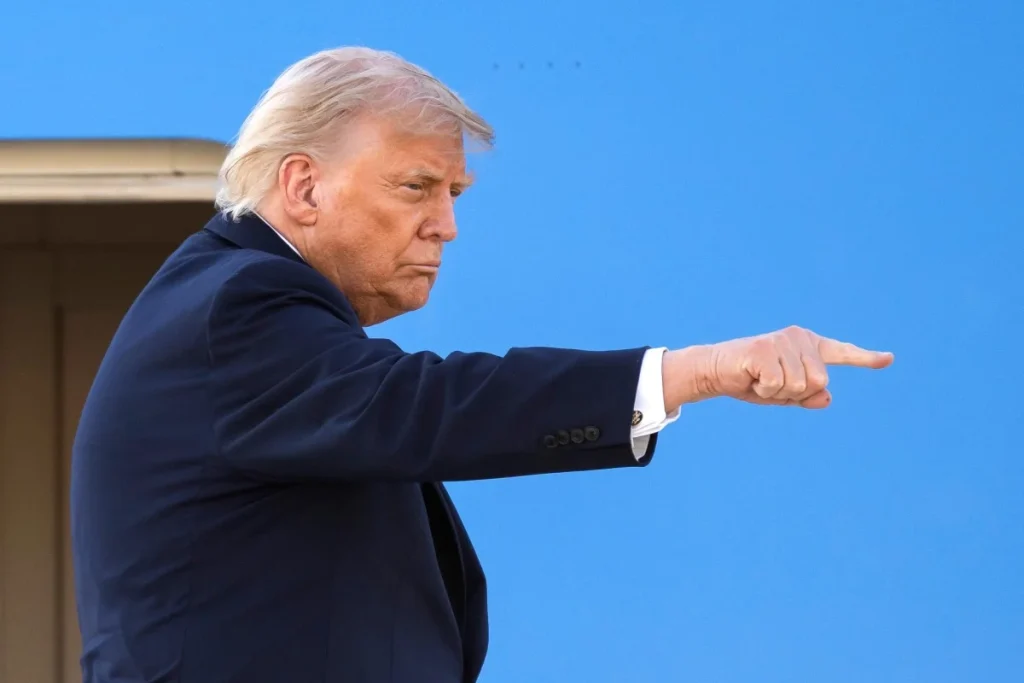
Oil prices tumbled on Thursday again after US President Donald Trump and his Iranian counterpart signed off on a deal to end their war and reopen the Strait of Hormuz.
The news boosted optimism for a lasting peace between the two nations after more than three months of war that has rattled energy markets and fuelled a fresh spike in inflation.
However, the upbeat mood on trading floors was tempered by expectations that the US Federal Reserve will hike interest rates before year’s end, after its new boss held his first policy meeting and acknowledged persistently high prices are a burden for the American people.
Trump put his signature to the memorandum of understanding in Versailles after a G7 summit, telling reporters: “Just signed it.”
Iranian foreign ministry spokesman Esmaeil Baqaei, quoted by state news agency IRNA, said the document was finalised with the signatures of the presidents.
All eyes are now on the strait, through which a fifth of the world’s oil normally passes and which Tehran effectively closed after the United States and Israel launched their war on Iran on February 28.
As a first step, the Islamic Republic of Iran will instantly reopen the Strait of Hormuz and the United States of America will immediately lift the naval blockade, Pakistan’s Prime Minister Shehbaz Sharif, whose officials mediated the agreement, said on X.
The deal will see Washington commit to immediately waive oil sanctions and facilitate the release of a $`300 billion reconstruction fund, while Tehran agrees to dilute its enriched uranium as talks on a longer-term agreement are held.
Crude fell more than three per cent, extending the losses sustained since news broke at the weekend. Both main contracts have plummeted more than 15 per cent since last week, when talk of an agreement began swirling.