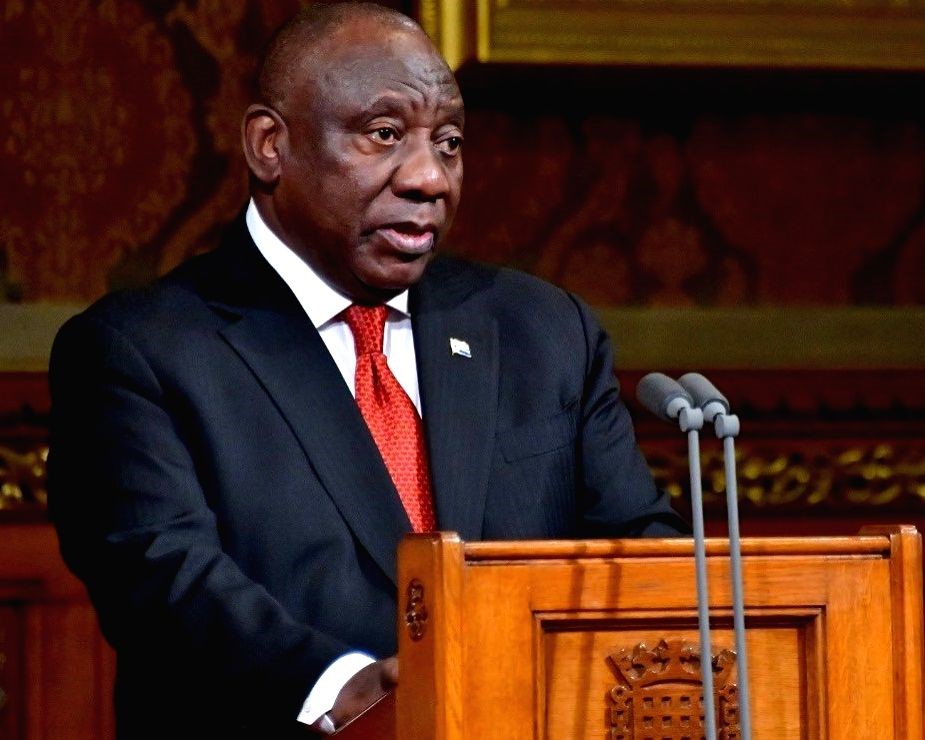
South African is starting a national dialogue that is meant to bring all sectors of society together to discuss the country’s most pressing issues and find solutions.
The talks, initiated by President Cyril Ramaphosa after calls from civil society, are expected to include most political parties, civic groups and members of the public.
Concerns have been raised over a possible $40 million cost, while there are also questions about whether the dialogue will result in significant changes.
South Africa faces many problems more than 30 years after the end of the apartheid system of white minority rule, including high levels of poverty and inequality, crime, corruption and an unemployment rate of more than 30% one of the world’s worst.
The country is no stranger to national talks, including the multiparty negotiations for a peaceful end to apartheid in the early 1990s.
Here’s what to know about the national dialogue, which begins with a two-day convention in the capital, Pretoria.
Since its first democratic election in 1994, when Nelson Mandela was elected as the country’s first Black president, South Africa made progress in de-escalating racial tensions, improving the economy and providing access to millions of its poor Black majority.
However, there are concerns that the country has digressed over the last decade and calls for a soul-searching exercise grew louder after the long-governing African National Congress, or ANC, party lost its majority in the 2024 election, forcing South Africa to form a coalition government.
“The national dialogue must be a place where everyone has a voice. The dialogue will be a people-led, society-wide process to reflect on the state of our country in order for us to reimagine our future,” he said.
South Africans from all walks of life are expected to voice their views at the dialogue, with talks expected to be held in person and virtually.
Ramaphosa has appointed an Eminent Persons Group, which is made up of religious, sports, labor and civic figures who he says reflect the great diversity of South Africa. They include South African rugby captain Siya Kolisi, award-winning “Black Panther” actor John Kani and former Constitutional Court Judge Edwin Cameron.
Not everyone believes the talks will have a real impact. The Democratic Alliance, or DA, the second-biggest party in the coalition government, withdrew in a dispute with the ANC over the firing of one of its deputy ministers by Ramaphosa. It has also said that the talks are a waste of public money.