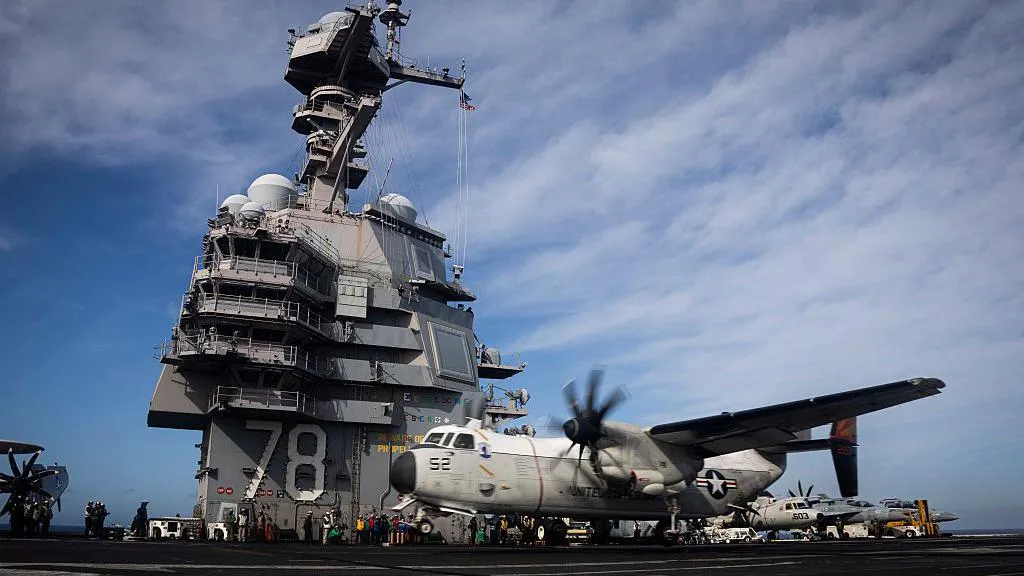
The US Navy has confirmed that the US naval strike force centred on the world’s largest warship in the USS Gerald R Ford.
The arrival of the strike group, which was ordered to the region by President Donald Trump last month, comes amid ongoing strikes against alleged drug boats and tensions with Venezuela.
The US has also carried out at least 19 strikes against boats in the Caribbean and the eastern Pacific, killing at least 76 people.
Venezuelan President, Nicolas Maduro and other Venezuelan officials have accused the US of fabricating a crisis and seeking to topple the country’s left-wing socialist government.
The aircraft carrier movement also comes amid tensions between the Trump administration and the Colombian government of President Gustavo Petro, whom Trump has characterised “as a thug and a bad guy”.
Petro on Tuesday ordered his country’s public security forces to suspend intelligence sharing with US agencies until the boat attacks in the Caribbean stop.
In a statement, the US Navy said that the strike group entered the area of responsibility of US Southern Command, which oversees Latin America and the Caribbean on 11 November.
The force includes the USS Gerald R Ford aircraft carrier, which itself includes more than 4,000 sailors and dozens of aircraft. The strike force also includes guided-missile destroyers and various other vessels.
Pentagon spokesman Sean Parnell said that the force will “bolster US capacity to detect, monitor and disrupt illicit actors and activities that disrupt the safety and prosperity” of the US and will help “disrupt narcotics trafficking” and criminal groups in the region.
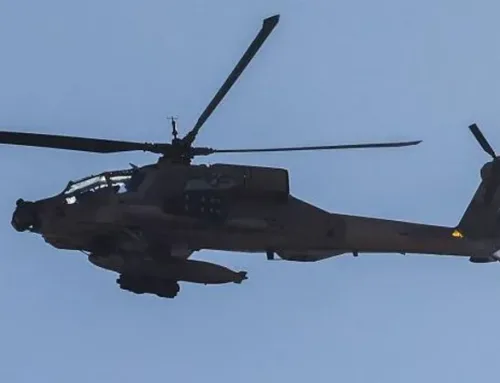
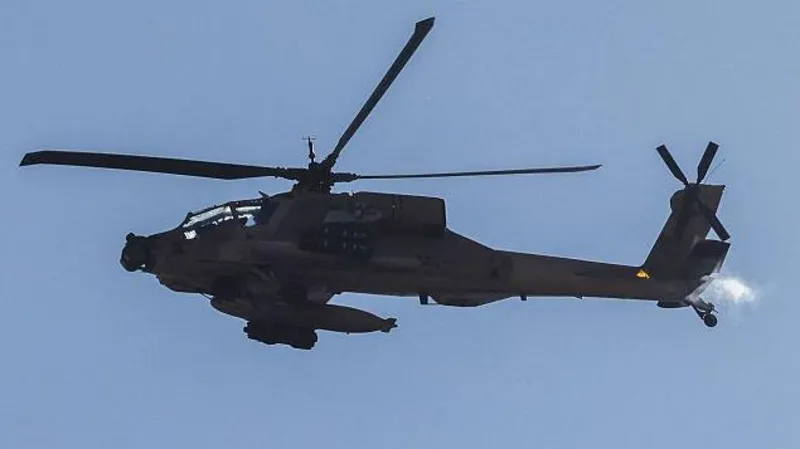
The carrier group is joining substantial military forces already deployed in the region, including thousands of troops, a nuclear powered submarine and military aircraft based in Puerto Rico.
Collectively, they form the largest US presence arrayed in and around Latin America in decades.
The US has continued to launch strikes on alleged drug boats in the region.
The Trump administration says the attacks are necessary to stem the flow of drugs into the US.
Earlier this week, the US announced it had conducted two additional strikes in the Pacific, killing six people.
In addition to fuelling tensions with the governments of Colombia and Venezuela, the strikes have led to concerns from some observers about violations of human rights and due process.
Colombia’s Petro has also faced criticism as well as US sanctions over his reluctant response to drug trafficking groups.